What Are the Best Children’s Books About Consent?

Children's Activities

Teaching kids about consent helps them set and maintain boundaries for themselves and respect the boundaries of others. Here are the best children’s books to help you teach your little one about consent:

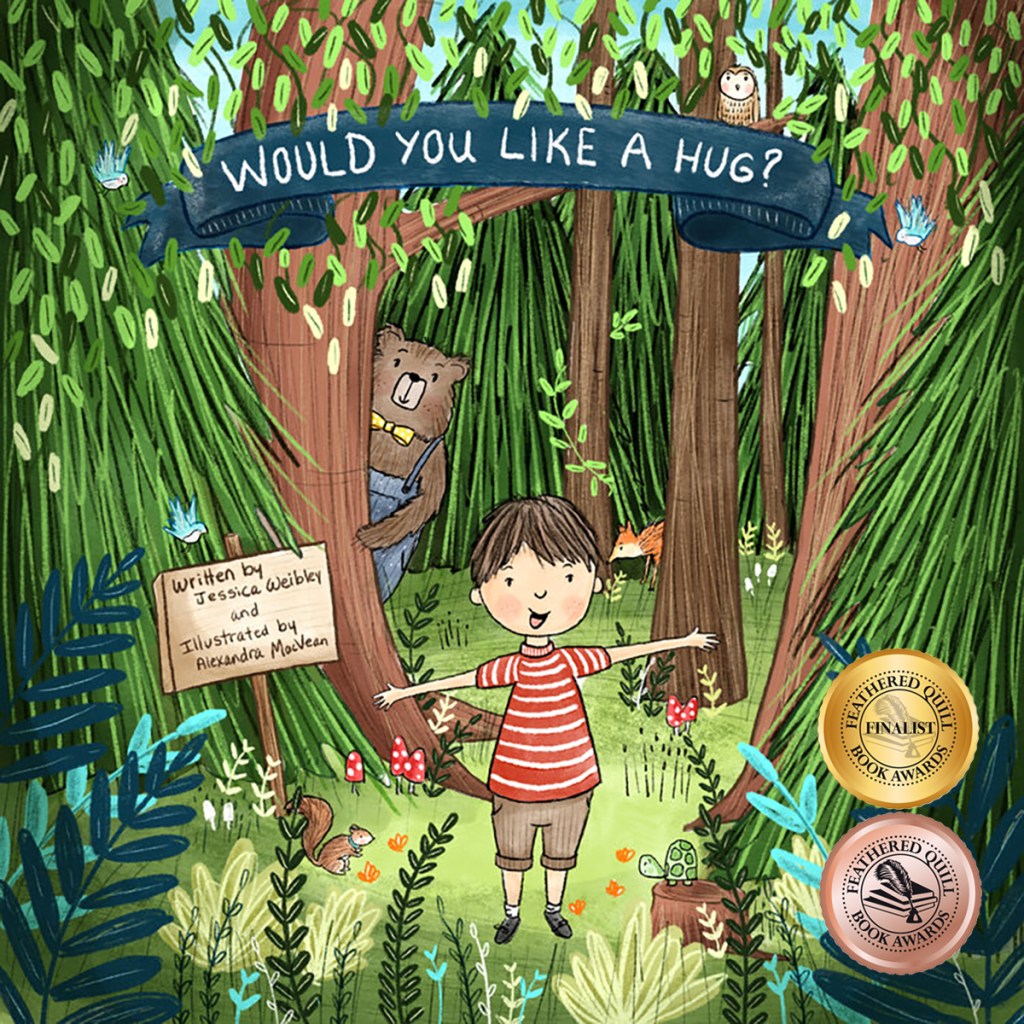
Would You Like a Hug?

Follow Gus and Grumpy Bear through the forest in search of a hug. Gus learns that not everyone likes hugs, and he finds a hug from one of the most unlikely of friends. Would You Like a Hug? is a heartwarming book about consent, respecting boundaries, and learning that it’s okay to say “no” and ask for help when you need it.
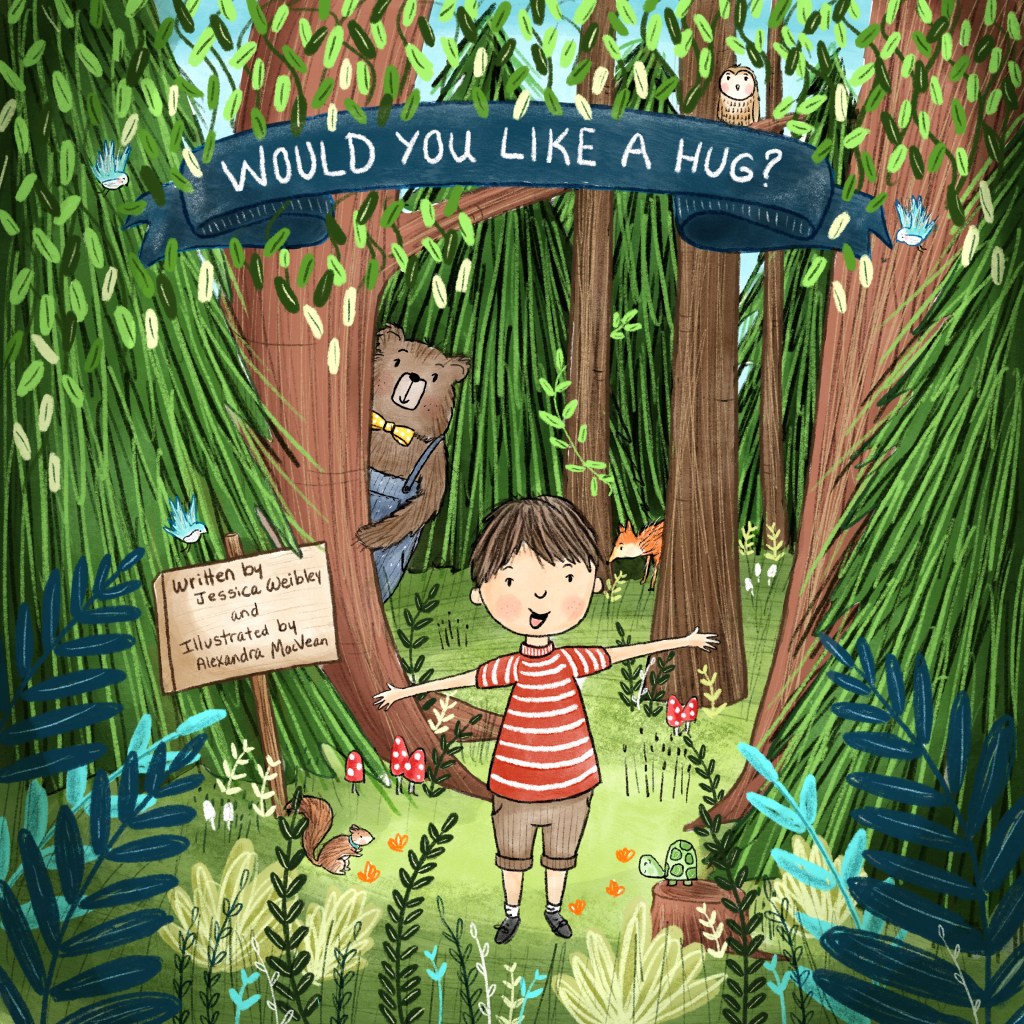
You can also download a fun discussion guide to help your children or students understand the lessons hidden in Would You Like a Hug?

Don’t Hug Doug

Don’t Hug Doug by Carrie Finison is another sweet book about hugs. This fun tale helps kids understand when it’s okay to give a hug and when it’s better to offer a high-five instead.

Yes! No!: A First Conversation About Consent

Yes! No!: A First Conversation About Consent by Megan Madison and Jessica Ralli is more of a didactic book than a storybook. This adorably illustrated board book teaches young children about bodily autonomy and the many ways to say “no.”

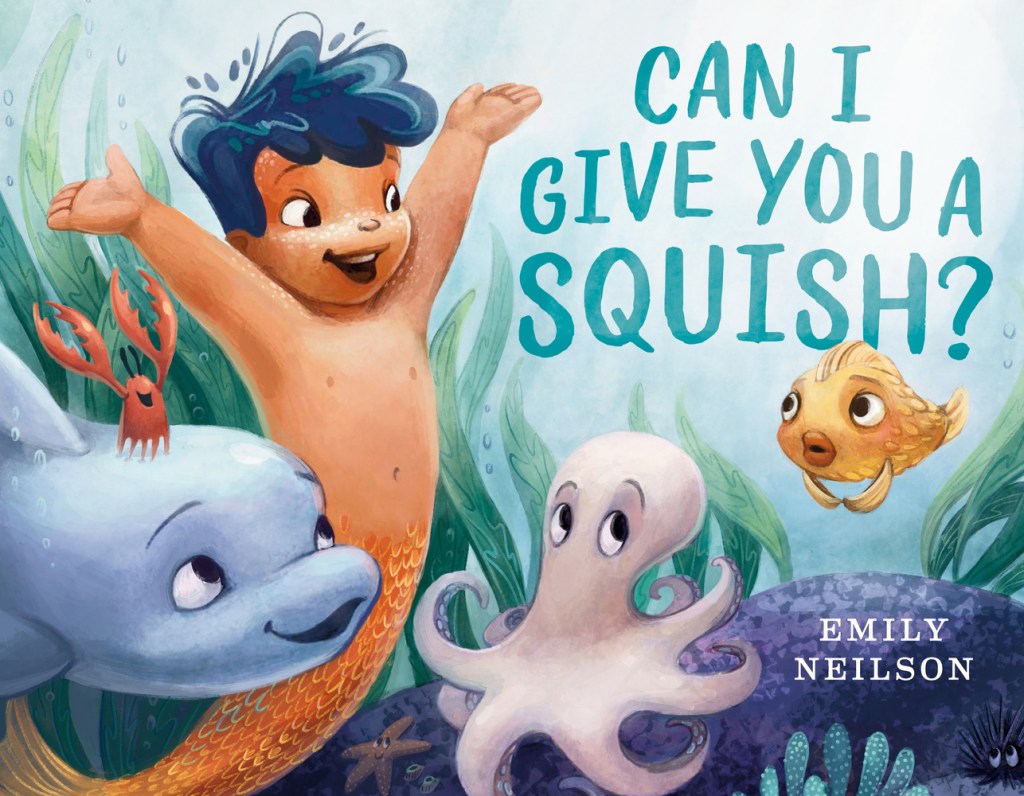
Can I Give You a Squish?

Can I Give You a Squish? by Emily Neilson follows a mer-boy named Kai through the ocean as he learns various ways to greet friends and show affection when others don’t like hugs.
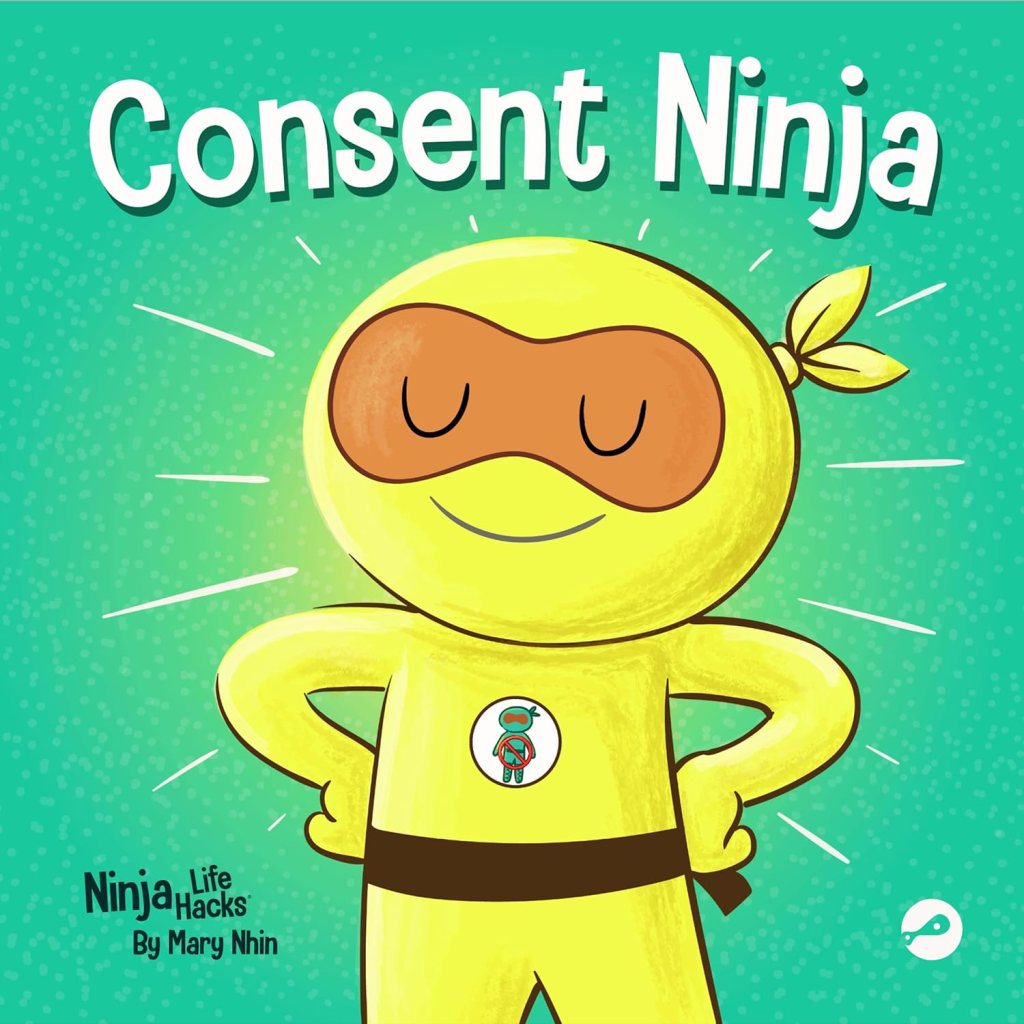
Consent Ninja

Consent Ninja by Mary Nhin is a unique book about a little ninja who learns how to set boundaries and say “no” in uncomfortable situations. This didactic book helps kids develop strategies for being in charge of their own bodies and speaking up for themselves.
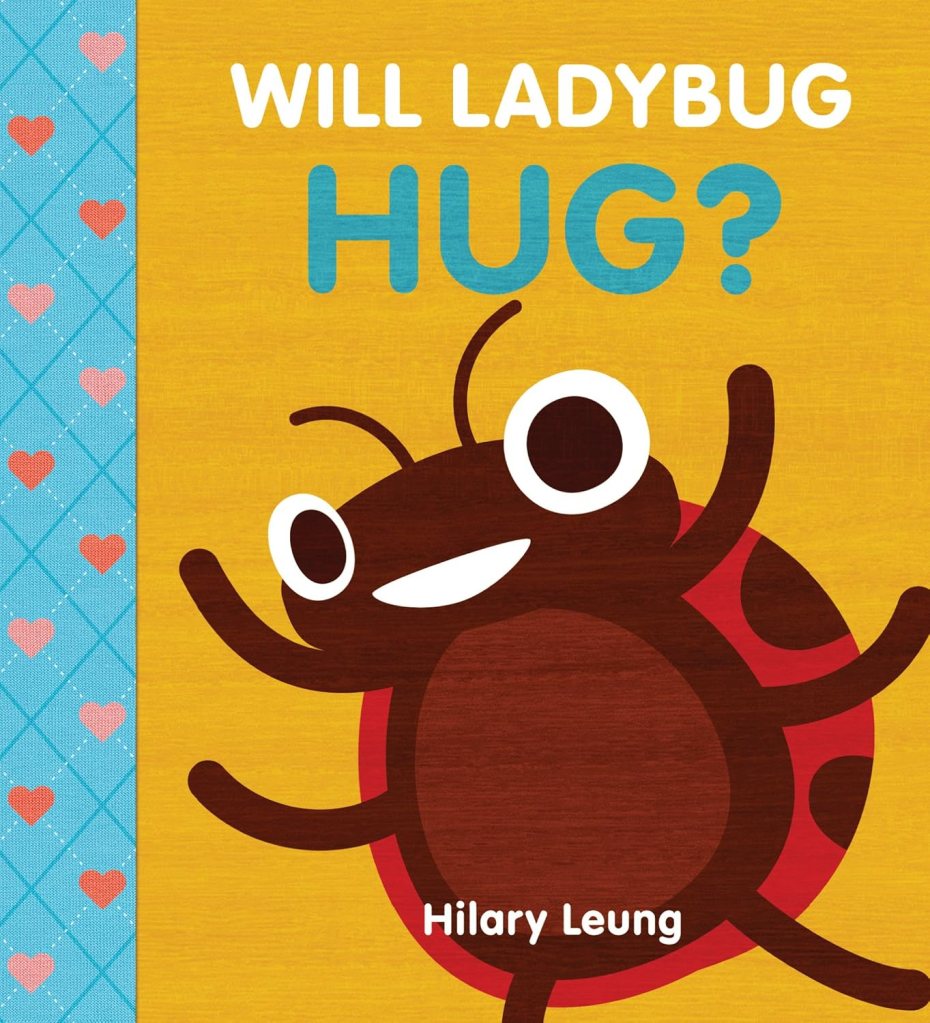
Will Ladybug Hug?

Will Ladybug Hug? by Hilary Leung is a fantastic board book for your youngest little ones. This sweet, simple story helps kids learn that some friends love hugs, some don’t, and that’s okay.
Why Use Books to Teach Kids About Consent?

Books offer the following advantages when teaching kids about consent:

Age-Appropriateness

Storybooks and board books introduce the topic of consent in age-appropriate ways. Explaining concepts such as bodily autonomy and boundaries is easier when you read a book with fun characters and situations kids can relate to.

Memorable Lessons

Research shows that reading about characters overcoming challenges significantly influences children’s behavior. A memorable book with a positive message can stick with your child for years, helping them carry lessons well into adulthood.

Quality Time

Reading with your child helps them feel safe, loved and connected. Storytime may feel like a simple part of the day, but it creates memories you and your little one will treasure forever.

Teach Your Kids About Consent With a Heartwarming Storytime

Reading is a fantastic way to connect with your child or young students and teach them about boundaries. There are several children’s books about consent you can enjoy with your little ones, giving them a fun, memorable way to learn about bodily autonomy.

Add Would You Like a Hug? to your bookshelf, and take your little one on an adventure through the forest with Gus and Grumpy Bear.

Picture from Would You Like a Hug? – Written by Jessica Weibley and illustrated by Alexandra MacVean

How Do You Teach Small Children About Consent?

Children's Activities

Consent is an important topic that many people assume to be too advanced for little ones. However, it’s more than possible to teach consent to toddlers and young children in a way that they will understand.

Teaching the concept of consent to little ones is a great way to teach them about respect, empathy, kindness and setting boundaries. Teach your child consent to help them stay safe and grow into a respectful, kind individual.

We should talk to kids about consent because it teaches them how to respect themselves as well as others. It teaches them how to set boundaries, how to speak up for themselves and how to recognize and respect others’ boundaries.

Teaching children how to set boundaries for themselves and speak up when they feel unsafe is important because abuse can happen anywhere. Approximately 91% of child sexual abuse cases involve a perpetrator that the child or their family is familiar with. This is why your children should know that they can set and enforce boundaries for themselves even with people that they know.

When children know they can set personal boundaries and have trusted adults they can go to for help, they are more likely to speak up when anyone makes them feel unsafe or uncomfortable. When they learn that they don’t have to give a hug to a relative if they’re not comfortable, they also learn that they have a right to set boundaries with everyone around them.

It’s also important that children learn at a young age to respect others’ boundaries, which is part of social emotional learning (SEL). SEL is important for toddlers and school age children because it helps them develop the skills necessary to navigate adulthood. The goal of social emotional learning is to promote children’s social-awareness, self-awareness, self-management, decision making skills and relationship skills so that they develop qualities such as self-control and empathy as they grow.

When little ones learn how to respect the boundaries of others, they learn how to be kind. They learn how to recognize others’ needs and show empathy. While we should teach children that hugs are a great way to spread kindness, it’s also important to teach them to recognize when a friend might need some space.

Kids can learn about consent at any age. While it’s a common topic in high school health classes, it’s also a topic we can introduce to preschoolers. Preschoolers can learn the basic foundations of consent such as setting boundaries, respecting boundaries and understanding that they can speak up if anyone makes them feel uncomfortable. Parents and caregivers can even lay the foundations for teaching consent to infants and toddlers by explaining what they are doing during basic care routines or asking a toddler before giving them a hug.

Talking to children about consent can be simple, and you don’t even have to use the word, “consent,” at all. You can explain to your child in ways they’ll understand that it’s okay to say “no” if anyone makes them feel uncomfortable. If you’re wondering how to talk to your child about consent, consider the following tips:

Introduce Simple Phrases

Use language that is clear and consistent when you talk about consent with young children. Teach them simple phrases they can use such as “I don’t like that,” “no, thank you,” “I don’t want a hug right now,” “this is my body” or “please stop.”

You can begin teaching consent to your child from infancy. Talk to your baby or young toddler while you change their diaper or perform other care routines, and explain what you’re doing with phrases like, “I’m going to help you onto the changing table” or “I’m going to get a new diaper for you.” Even if your baby doesn’t fully understand what you’re saying, it will help their language development, and they will eventually learn what you are telling them as their vocabulary grows.

Set an Example

Model consent for your children so they have an example to look up to. Ask your child before giving them a hug, and ask them if they would like you to help them perform tasks such as brushing their teeth, bathing or getting dressed. While many of these tasks are necessary, giving your child the choice to accept help or practice independence will grow their confidence.

If your children are still young enough to need your help with basic care tasks, you can give them choices such as completing the tasks in the moment or waiting a few minutes. If they don’t want you to help them brush their teeth or comb their hair, give them the choice to let you help them now or wait two minutes. This lets them know that the task is necessary, but it also gives them the chance to make a personal choice about their body.

Find Teachable Moments

Use everyday teachable moments to teach your little one about consent. If they rush to give a friend a hug as you pick them up from daycare, remind them to ask first. If you attend a family cookout and an aunt or uncle tries to pick your child up when they feel uncomfortable, remind them that it’s okay to say, “no.” If your child doesn’t feel like giving hugs after Easter dinner, you can ask them to give high-fives or a friendly wave instead.

Use Books as a Fun Teaching Aid

Read fun stories about consent to introduce the topic to your child. Children love books, and reading books together is a great way to bond with your little one. Read the heartwarming story, Would You Like a Hug?, to your child to introduce the topic of consent in a fun and age-appropriate manner.

Follow Gus and Grumpy Bear through the forest as Gus searches for a hug. Throughout the story, discuss each character with your child and how Gus respects their personal boundaries. Children will love joining Gus and Grumpy Bear on their adventure, and they will enjoy a heartwarming surprise at the end. Purchase Would You Like a Hug? to plan your next story time adventure with your little one.